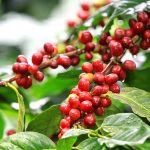
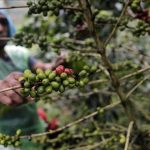
At Nodo Tanzania, we believe that enjoying our premium coffee is an experience that engages all the senses. When you see descriptive words like “Blackcurrant,” “Citrus,” or “Dark Chocolate” on a bag of our beans, it’s not an added flavor—it’s the true, natural signature of the Tanzanian land.
We invite you to step into the world of specialty coffee and learn the language that unlocks the full flavor potential of your cup.
Part I: Decoding Coffee Tasting Notes
Tasting notes are simply the flavor and aroma references that roasters and coffee professionals detect during a standardized quality assessment process called cupping. They act as a roadmap, guiding you to the most vibrant characteristics you can expect.
Where Do These Flavors Come From?
The intense, complex flavors in your cup are entirely natural, developed by three main factors long before the coffee is roasted:
- Terroir (Land): Tanzania’s high altitudes (often qualifying as Strictly High Grown/SHG), rich volcanic soils, and temperate climate force the coffee cherry to mature slowly. This slow maturation concentrates the sugars, acids, and nutrients, leading to a more complex and flavorful bean.
- Our Tanzanian coffee often displays the bright acidity typical of East African coffees, but with a unique, mellow balance.
- Variety: The specific coffee plant cultivar, such as Bourbon, Kent, or the sought-after Tanzanian Peaberry, dictates a baseline flavor profile.
- Processing: Most high-quality Tanzanian Arabica is Washed (Wet-Processed). This method removes the fruit pulp before drying, resulting in a cleaner, brighter, and more acidic cup that highlights delicate floral and fruit notes.
Your Guide: The Coffee Taster’s Flavor Wheel
The Specialty Coffee Association (SCA) Flavor Wheel is the industry’s universal dictionary for flavor. It helps you articulate your sensory experience systematically:
- Start General (Center): Take a sip. Does the coffee taste broadly Fruity, Sweet, or Nutty/Cocoa?
- Move Outward (Middle Ring): If you detect “Fruity,” narrow it down. Is it closer to a Berry, Citrus, or Stone Fruit?
- Get Specific (Outer Ring): Is that “Berry” specifically a tart Blackcurrant or a sweet Blueberry?
Part II: How to Taste Nodo Tanzania Coffee Like a Pro
Elevating your coffee experience requires only a few intentional steps:
1. The Two-Step Aroma Check
Your sense of smell accounts for over 80% of what you “taste.”
- Fragrance (Dry): Just after grinding, take a deep inhale over the grounds. What scents are released? (e.g., Brown Sugar, Nuts, Dried Fruit)
- Aroma (Wet): Once the coffee is brewed, the water releases volatile compounds. Inhale from the cup to capture these delicate, often floral or spice, notes.
2. The Slurp and Swirl
Take a small, quick, and loud slurp! Yes, the slurping is essential. It instantly aerosolizes the coffee, spraying it across your entire palate and allowing the aromatic compounds to reach your olfactory sensors. Swirl it to coat your tongue evenly.
3. Assess the Core Attributes
As the coffee cools, focus on these characteristics. You’ll notice different flavors emerge at different temperatures:
| Attribute | What to Look For | Common Tanzanian Notes |
|---|---|---|
| Acidity (Brightness) | The pleasant, crisp, tangy sensation—the “sparkle” of the coffee. | Citric, Winey, Blackcurrant. |
| Body (Mouthfeel) | The physical weight or texture on your tongue. | Medium, Creamy, Velvety, Clean. |
| Flavor | The specific notes you can identify (using the Flavor Wheel). | Chocolate, Honey, Black Tea, Tropical Fruit. |
| Finish | The lingering taste and sensation after you swallow. | Sweet, Chocolaty, Clean & Quick. |
Practice Tip: The Comparison Test
The best way to train your palate is by comparison. Brew two different Nodo Tanzania single-origin coffees side-by-side. The differences in acidity, body, and flavor will immediately become apparent, helping you quickly build your own mental flavor library.
Sip with intention, and taste the world with Nodo Tanzania.